Attachment Style Quiz for Couples: How Your Style Shapes Love
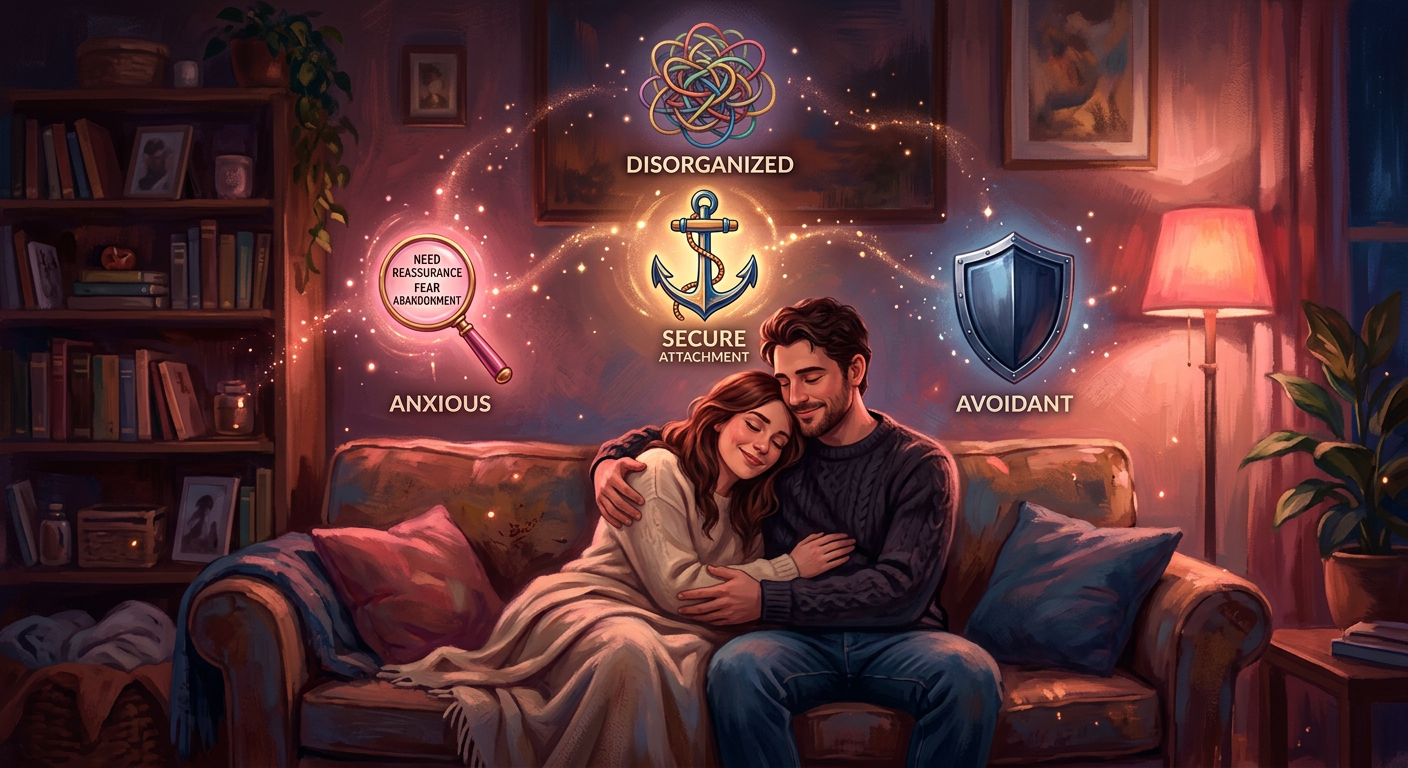
Attachment Style Quiz for Couples: How Your Style Shapes Love
Have you ever wondered why certain patterns keep repeating in your relationships? Why some interactions feel natural and others leave you feeling bewildered or hurt? The answer often lies in something called attachment theory, a psychological framework that explains how our early experiences with caregivers shape our emotional connections and behaviors in adult relationships.
At EQIQs®, we believe that understanding your attachment style – and your partner's – is a powerful tool for fostering deeper connection, resolving conflict, and building a love that truly lasts. Ready to unravel the mysteries of your love life? Let's dive in.
What is Attachment Style?
Developed by psychologist John Bowlby and later expanded by Mary Ainsworth, attachment theory posits that the way our primary caregivers responded to our needs as children forms an internal working model for how we view ourselves, others, and relationships. This model, our "attachment style," then plays a significant role in our romantic partnerships.
There are four primary attachment styles:
1. Secure Attachment
- Characteristics: Individuals with a secure attachment style feel comfortable with intimacy and interdependence. They can trust others and be trusted, express their emotions openly, and aren't overly worried about abandonment or engulfment. They handle conflict constructively and value both connection and independence.
- How it Develops: Typically, this style emerges from consistent, responsive, and loving caregiving in childhood.
2. Anxious-Preoccupied Attachment (Anxious)
- Characteristics: People with an anxious attachment style often crave high levels of intimacy, approval, and responsiveness from their partners. They tend to be highly sensitive to perceived threats to the relationship, may become very emotional when they feel their partner pulling away, and can sometimes be seen as "needy" or "clingy." They worry about their partner's love and commitment.
- How it Develops: Often results from inconsistent caregiving, where needs were sometimes met and sometimes ignored, leading to anxiety about accessibility and responsiveness.
3. Dismissive-Avoidant Attachment (Avoidant)
- Characteristics: Individuals with an avoidant attachment style value independence and self-sufficiency highly. They may appear emotionally distant, uncomfortable with intimacy, and tend to suppress their feelings. They might pull away when a relationship gets too close or intense, preferring solitude over deep emotional connection.
- How it Develops: Often stems from caregivers who were consistently distant, unresponsive, or uncomfortable with emotional expression, teaching the child to self-soothe and rely only on themselves.
4. Fearful-Avoidant Attachment (Disorganized)
- Characteristics: This style is a blend of anxious and avoidant traits, often causing internal conflict. Individuals desire intimacy but also fear it. They may appear unpredictable, push people away when they get too close, then regret it. They often have difficulty regulating emotions and can struggle with trust, viewing others as both a source of comfort and a potential threat.
- How it Develops: Typically linked to inconsistent and frightening or traumatic early experiences with caregivers, where the caregiver was both a source of comfort and fear.
How Attachment Styles Interact in Relationships
The real magic (and sometimes the mayhem) happens when different attachment styles come together. Here are some common dynamics:
- Secure + Secure: Often a harmonious and stable relationship, characterized by mutual respect, trust, and healthy communication.
- Anxious + Avoidant: A classic "push-pull" dynamic. The anxious partner pursues intimacy and reassurance, while the avoidant partner withdraws, creating a frustrating cycle for both. The anxious person feels abandoned, the avoidant person feels smothered.
- Anxious + Secure: Can be a growth opportunity for the anxious partner, as the secure partner's consistency and genuine care can help them feel safer and more trusting.
- Avoidant + Secure: The secure partner can provide a stable base, potentially helping the avoidant partner feel more comfortable with intimacy over time, though patience is key.
- Fearful-Avoidant with Any Style: Can lead to intense, unpredictable relationships. The fearful-avoidant individual's internal conflict often creates confusion and difficulty for partners.
Start your free read — question 1 of 6
Something's wrong between you and someone else. What do you actually do?
Your answers stay in your browser. Nothing is saved unless you choose to save it.
Take Our Attachment Style Quiz for Couples!
Understanding your primary attachment style is the first step towards transforming your relationships. Our carefully designed quiz helps you identify your dominant style and provides insights into how it influences your approach to love and intimacy.
[Insert Button/Link Here: Take the EQIQs® Attachment Style Quiz Now!]
Practical Tips for Navigating Your Attachment Style in Relationships
Once you know your style (and ideally, your partner's), here's how to use this knowledge:
- Self-Awareness is Key: Understand your triggers and automatic reactions. If you're anxious, recognize when you're seeking excessive reassurance. If you're avoidant, notice when you're pulling away.
- Communicate Openly (and Gently): Discuss your attachment styles with your partner. Explain your needs and fears without blame. For example, an anxious partner might say, "When you don't text back quickly, my anxious side starts to worry you're pulling away, even though I know it might just be you're busy." An avoidant partner might say, "Sometimes when things get very intense, I need a little space to process, but it doesn't mean I don't care."
- Validate Each Other's Needs: Try to understand where your partner is coming from, even if it's different from your own approach. Anxious partners need reassurance; avoidant partners need space. Both are legitimate needs.
- Develop Coping Strategies:
- For Anxious Individuals: Practice self-soothing, lean on friendships, focus on your own hobbies, and trust your partner's intentions.
- For Avoidant Individuals: Practice sitting with discomfort, initiate intimacy (emotional and physical), and consciously engage when your partner reaches out.
- For Fearful-Avoidant Individuals: Focus on building trust, seeking therapy, and practicing emotional regulation.
- Build a "Safe Haven" Relationship: Regardless of your starting point, strive to create a relationship where both partners feel secure, understood, and supported. This involves consistent responsiveness, empathy, and reliability.
- Consider Professional Help: If you find yourselves stuck in persistent negative patterns, a couples therapist trained in attachment theory can provide invaluable guidance.
Explore Deeper Compatibility with EQIQs®
Understanding attachment styles is just one powerful piece of the puzzle. For a comprehensive look at how well you and your partner align across various crucial areas, don't forget to check out our EQIQs® Compatibility Test at eqiqs.com/compatibility-test. It's designed to give you a holistic view of your relationship's strengths and areas for growth.
By embracing the language of attachment, you can unlock a deeper understanding of yourself, your partner, and the beautiful, complex dance of love. Start your journey toward a more secure and fulfilling relationship today with EQIQs®.
See how your personality type affects your relationships
Run a free compatibility analysis with EQIQs — 21 frameworks, instant results.
Recommended Assessment
Attachment Style Compatibility Assessment
Understand how attachment patterns shape your closest relationships.
Related Compatibility Pairings
Explore how different personality types pair together:
Frameworks in this article
Deep-dive into the science behind every model referenced above.
Explore EQIQs
Enjoyed this article? Share it with your network.
Weekly Relationship Intelligence + Free 14-day Trial
Subscribe and we'll automatically start your free 14-day Individual Toolkit trial (full MBTI, compatibility scoring, AI coach — no card required) and send weekly insights, promo codes, and shareable reads.
Magic sign-in link sent to your inbox. No spam. Unsubscribe anytime.